
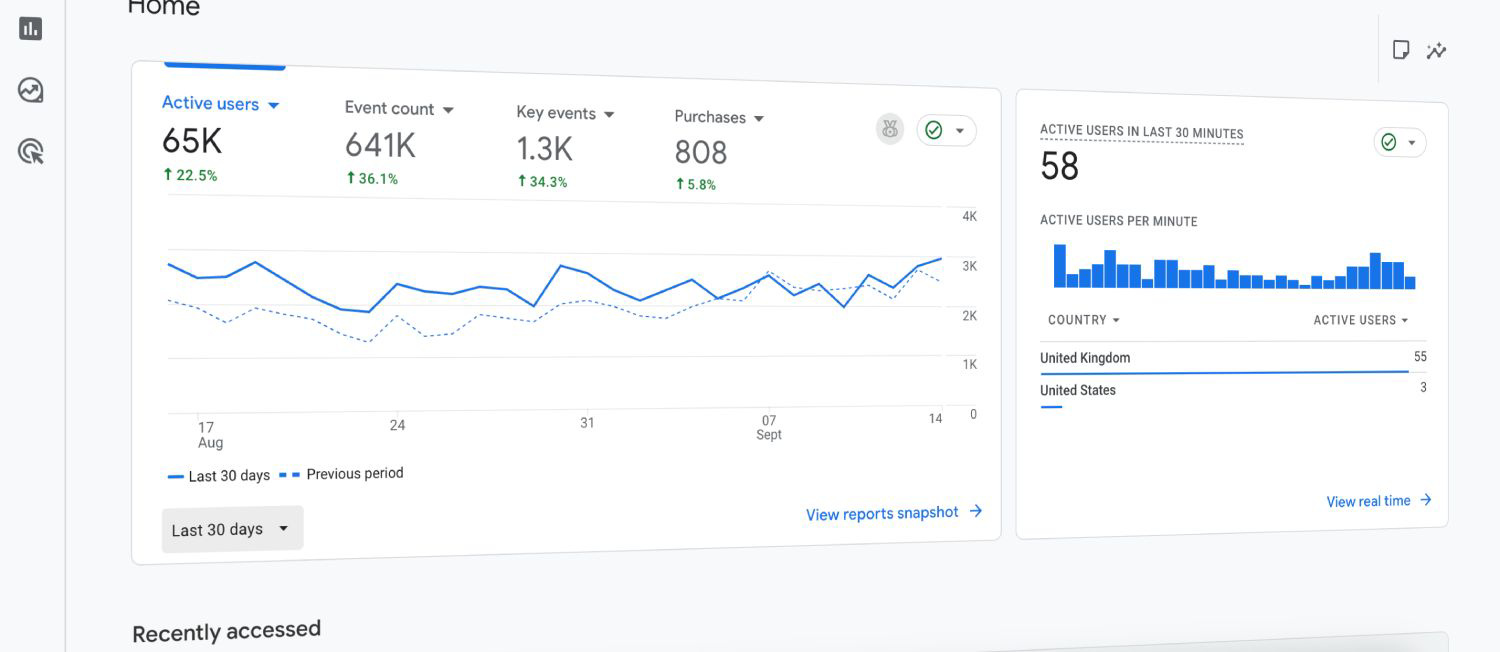
For many years, Google Analytics sat at the centre of how e-commerce performance was measured. It was never perfect, but it was predictable, widely understood, and good enough to support many commercial decisions.
GA4 changed that relationship.
Not because it has no value, but because it is fragile by design. Small issues can now create disproportionately large gaps in attribution, often without any obvious warning. For e-commerce brands, that fragility has real consequences. Budget gets moved, channels get paused, campaigns get judged unfairly, and stock decisions can be influenced by data that only tells part of the story.
Across e-commerce measurement projects, I spend a lot of time inside GA4, Google Tag Manager, consent platforms, server-side tracking setups and alternative attribution tools. The pattern is consistent. GA4 is still useful, but it is no longer something most e-commerce teams can safely rely on as their primary source of truth for revenue attribution.
This is a measurement problem I have spoken about publicly too. In my Hero Conf session, Spend Less, Win More Leads: A Technical GA4 Setup That Cut Ad Waste by 50%, the core point was not that teams need more data for its own sake. It was that better signal quality changes the commercial decisions that follow.
This article explains why, where GA4 still helps, and what a more resilient approach to e-commerce attribution looks like in practice.
Why GA4 e-commerce attribution breaks quietly
One of the most common patterns I see is not obvious breakage, but silent decay.
Traffic gradually shifts into “direct” or “unassigned”. Paid platforms tell one story, GA4 tells another. Revenue still appears in reports, but the paths that led to it slowly become harder to trust.
In many cases, the trigger is something relatively small.
A consent platform subscription expires without enough internal visibility. A minor script change is pushed during a site update. A Consent Mode tag is misconfigured. A payment provider redirect starts being treated incorrectly. Campaign tagging becomes inconsistent. Nothing looks broken on the surface, but attribution quality weakens quickly.
The issue is not always that GA4 has stopped collecting data entirely. The bigger problem is that GA4 can continue to show numbers that appear complete enough to trust, while the underlying attribution picture has become materially weaker.
That is what makes the risk difficult for e-commerce teams. A broken report is easy to challenge. A plausible report with missing context is much more dangerous.
When attribution quietly deteriorates, the commercial decisions that follow can become distorted. Paid search may look less efficient than it really is. Organic visibility may appear to have softened when demand has not changed. Email may take more credit because it sits closer to the final conversion. Direct traffic may look like a hero channel, even though it is often absorbing demand created elsewhere.
GA4 does not always fail loudly. It often collapses quietly enough that teams only notice once performance conversations start to feel harder to explain.
Why consent has become an attribution risk
Consent was once treated mainly as a compliance concern. Today, it is also a measurement dependency.
GA4 is heavily affected by whether users grant analytics and advertising consent. When consent is not granted, data collection changes. Depending on the setup, GA4 may collect less information, rely on modelled signals, or lose parts of the user journey that would previously have supported attribution.
The issue is not consent itself. Respecting user consent is non-negotiable. The issue is how brittle the ecosystem around consent has become.
Cookie banners, consent platforms, GTM firing rules, Consent Mode settings, advertising tags and analytics events all need to work together. If one part of that chain changes, attribution can shift quickly.
Common issues include:
- Consent banners blocking tags that should still fire in a consent-safe way
- Consent Mode firing too late in the page load sequence
- Consent states not being passed consistently across pages
- Cookie banner changes being published without analytics testing
- Free or low-cost consent tools expiring, disabling features or changing behaviour
- Checkout, payment or subscription flows not preserving the journey properly
The result is predictable. Direct and unassigned traffic inflate. Assisted conversions become harder to see. Channels that influence early or mid-funnel behaviour appear less valuable than they are.
Very few teams monitor consent health as a commercial measurement issue. Most only notice once reporting confidence has already started to weaken.
That creates a real commercial risk. If a brand cuts spend because GA4 no longer shows the full contribution of a channel, the decision may look data-led while being based on incomplete data.
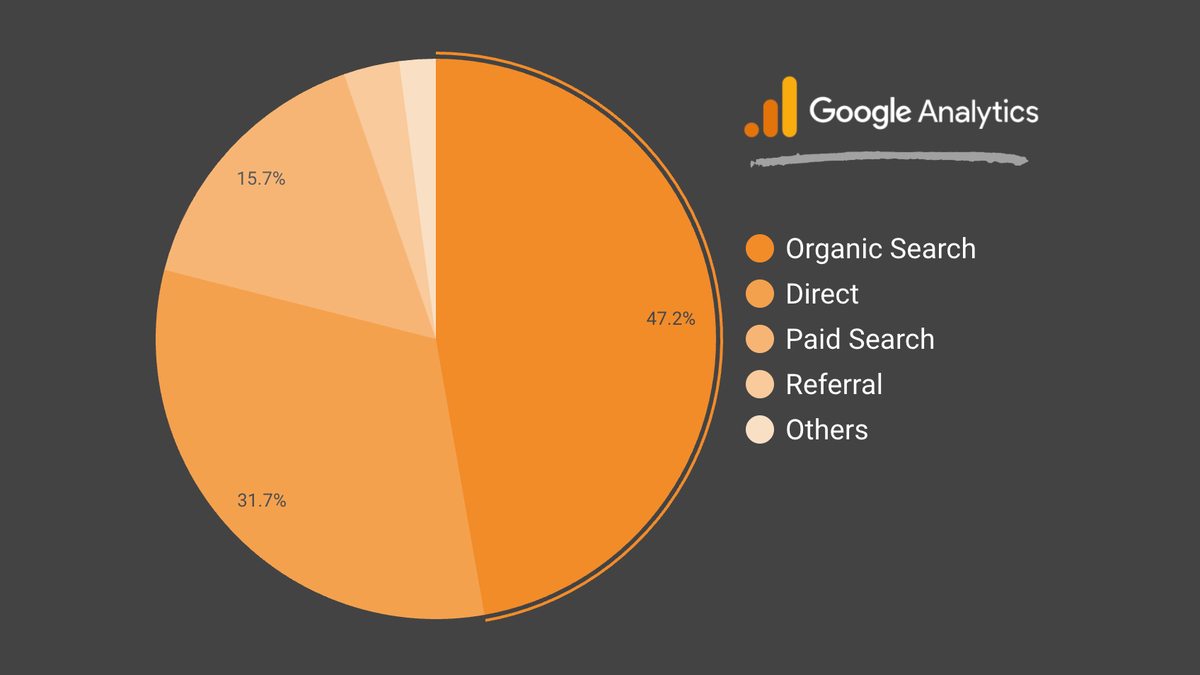
Why direct traffic is often not really direct
One of the most misleading outputs in GA4 is the volume of conversions that can end up attributed to direct traffic.
GA4 can make it appear that a significant proportion of customers simply typed a URL into a browser and bought. For most e-commerce brands, that is not how buying behaviour works.
Customers discover products through paid search, organic search, social ads, affiliates, email, influencer activity, marketplaces, comparison sites, content and word of mouth. They browse, compare, leave, return and convert later. If GA4 loses the original touchpoint or cannot confidently preserve the path, the final purchase can be reassigned to direct.
Commercially, this is dangerous.
It can lead teams to believe that brand or direct demand is doing more of the heavy lifting than it really is, while prospecting and nurture channels appear inefficient. Budgets are then cut in the wrong places. Acquisition slows, even though the original demand was still being created by the channels that now look weaker in GA4.
This often shows up in performance reviews when a channel is judged only on last-click revenue. Paid social may look unprofitable because it introduces customers who return later via direct or brand search. Non-brand paid search may appear too expensive because GA4 does not capture its full role in the journey. Organic content may be undervalued because it assists decision-making rather than closing the sale immediately.
Direct traffic is not always wrong, but it needs scrutiny. A sudden increase in direct revenue should not automatically be read as stronger brand demand. It may be a symptom of attribution loss.
The question is not “how much direct traffic do we have?” The better question is “what demand might direct traffic be hiding?”
How GA4’s view of users can distort reality
GA4’s definition of new and returning users is another source of confusion for e-commerce teams.
Because of legal, technical and browser-related constraints, GA4 does not always recognise returning users reliably over longer periods. If a customer returns after cookies have expired, been blocked or been cleared, they may be counted as a new user again.
The outcome can be inflated new user numbers and an underestimation of repeat behaviour.
This matters because e-commerce strategy depends heavily on understanding the difference between acquisition, retention and repeat purchase. If returning customers are being reported as new users, teams may overestimate the performance of acquisition activity and underestimate the value of retention.
It can also skew remarketing analysis. Campaigns may appear to be reaching new users when a proportion of those users are actually existing customers. New customer revenue, returning customer revenue and customer lifetime value all become harder to interpret if identity is fragile.
For brands with longer consideration cycles, replenishment behaviour, repeat purchase patterns or subscription models, this is particularly important. GA4 can still provide useful behavioural signals, but it should not be treated as a definitive record of customer relationships.
An e-commerce platform, CRM, subscription platform or customer database will usually provide a more stable view of customer history than GA4 alone.
Why less attribution control creates commercial uncertainty
Another frustration for e-commerce teams is the reduced flexibility around attribution compared with older analytics setups.
GA4 now pushes most teams towards a smaller set of attribution views. In theory, that makes reporting simpler. In practice, it can make it harder to align reporting with commercial reality.
Attribution is not neutral. It always contains assumptions about what matters.
A last-click view rewards the final interaction before purchase. A data-driven model attempts to distribute credit based on observed patterns. A first-click view highlights demand creation. A linear model gives equal weight across touchpoints. None of these is perfect, but each answers a different commercial question.
When teams lose the ability to compare attribution assumptions easily, they also lose context. A channel can look strong or weak depending on the model being used. If the model changes, or if reporting definitions shift, performance comparisons can become harder to interpret.
For senior teams, this is often the tipping point. The problem is not only that GA4 attribution is imperfect. It is that the logic behind the numbers can feel too distant from the decisions being made.
If a finance lead, founder or marketing director is going to move budget based on attribution, they need to understand the assumptions behind the report. Where those assumptions are unclear, GA4 should be treated as a signal rather than a verdict.
Where GA4 still helps e-commerce teams
None of this means GA4 has no value.
GA4 remains useful for directional trend analysis, behavioural insight, funnel exploration, landing page analysis, event tracking, QA checks and understanding how users interact with a website.
It can still answer useful questions, such as:
- Which landing pages are attracting engaged sessions?
- Where are users dropping out of key journeys?
- Which devices or browsers show conversion friction?
- Are important events firing as expected?
- Has a site change affected user behaviour?
- Are channel-level trends broadly improving or declining?
Where GA4 becomes more useful is when it is not viewed in isolation.
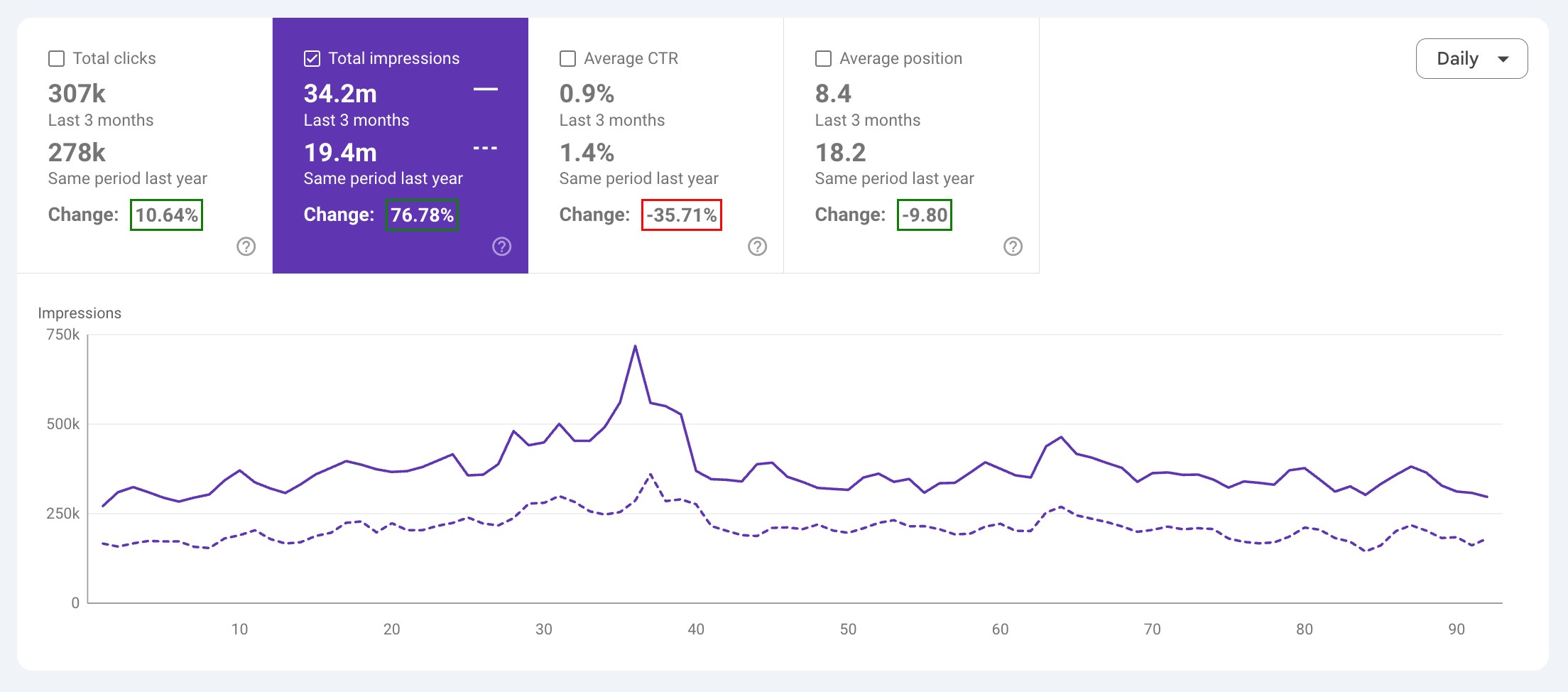
For organic search, I prefer to compare GA4 against Google Search Console. Search Console data is fundamentally different because it reflects search visibility, impressions, clicks and query behaviour rather than relying on the same browser-based analytics journey as GA4.
When GA4 organic traffic appears to dip, Search Console can help show whether search demand and visibility have actually changed. If Search Console clicks and impressions are stable, but GA4 sessions have fallen sharply, the issue may be measurement rather than demand.
For paid media, GA4 should be compared with Google Ads, Microsoft Ads, Meta, CRM data and order-level performance. None of these sources is perfect on its own, but together they create a more useful commercial picture.
GA4 should be treated as a behavioural signal. It becomes much more helpful when validated against data sources that sit closer to search visibility, media spend, customer records, orders, revenue and margin.
Where server-side tracking fits
Server-side tracking is an important part of the answer, but it should not be positioned as a complete fix for attribution.
Used well, it can make measurement more resilient. Rather than relying entirely on browser-side tags, server-side tracking sends data through a controlled server container before it reaches platforms such as GA4, Google Ads, Meta or other marketing tools. That can improve data quality, reduce avoidable signal loss, strengthen control over what gets sent, and create a cleaner foundation for conversion tracking.
A useful way to think about this is that browser-side tracking leaves the browser as the middleman for every signal. If the browser cannot fire the pixel, that signal can be lost. With server-side tracking, the journey becomes browser to server to ad platform, which gives the business more control over the pipe.
For e-commerce brands, this matters because so much measurement is now vulnerable to browser restrictions, consent behaviour, tag conflicts and checkout complexity. A more controlled server-side setup can help protect important events such as purchases, add-to-cart actions, checkout steps and lead submissions.
In my own setups, I use Stape for server-side tracking because it provides a practical route into server-side Google Tag Manager without needing to overcomplicate the infrastructure. The value is not simply that more data gets sent. The value is that the data flow becomes easier to govern, test and maintain.
That usually means using a first-party subdomain such as data.yourdomain.com, rather than relying on a generic hosting URL. It also means paying close attention to deduplication. If the browser and server versions of the same event do not share a consistent event ID, platforms can double count conversions and make performance look better than it really is.
This is especially important for Meta, where Pixel and Conversions API usually need to work together rather than being treated as either-or options. The browser pixel can still provide context that the server does not see, while the server-side event can preserve signals that the browser may lose. The setup only works properly when the events are matched and deduplicated cleanly.
Server-side tracking does not remove the need for consent. It does not make GA4 a perfect attribution platform. It does not solve every gap caused by cross-device behaviour, logged-out journeys or longer consideration cycles.
What it can do is reduce unnecessary fragility.
A good server-side setup can help e-commerce teams:
- Improve the reliability of key conversion events
- Reduce avoidable loss from browser-side tag failures
- Control and standardise how data is sent to marketing platforms
- Support more resilient Google Ads and Meta conversion tracking
- Improve event quality for platforms that rely on conversion signals
- Reduce dependency on messy client-side tag stacks
- Create a cleaner base for debugging and measurement governance
This is why I see server-side tracking as part of a stronger attribution stack. It sits alongside consent management, GA4 configuration, platform integrations, CRM data, order data, profit reporting and clearer dashboards.
It is not the whole answer, but for many e-commerce brands it is one of the most practical upgrades available.
A Hero Conf lesson: fix the signal before you judge the spend

One of the strongest lessons from my Hero Conf talk was simple: fix the signal, fix the spend.
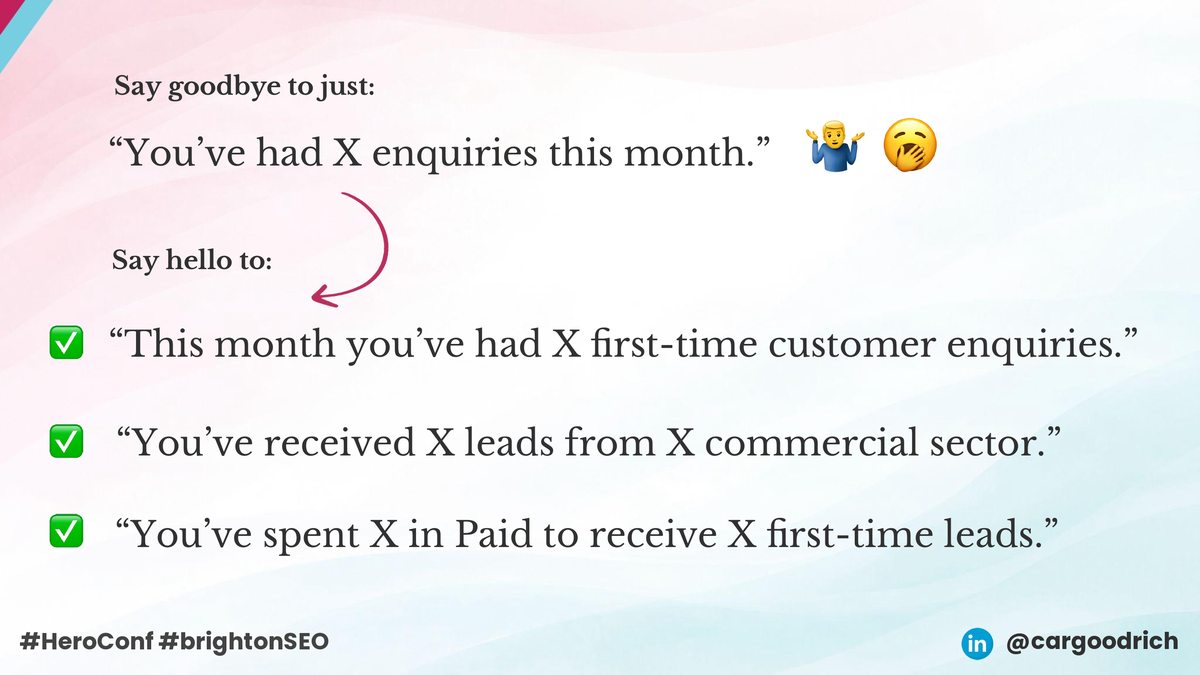
The case study was lead generation rather than e-commerce, but the measurement principle carries across directly. The business was tracking form submissions, cost per acquisition and lead volume. What it actually wanted was commercially useful enquiries, high-value sectors and new customer acquisition.
That gap is exactly where poor attribution becomes commercially expensive. When the tracking only tells you how many conversions happened, teams are left relying on assumptions about whether those conversions were useful. They end up saying things like “paid search probably is not bringing in new customers” or “returning customers are probably clicking our ads”, without the measurement structure needed to prove or disprove it.
The solution in that case was not a new attribution platform. It started with better commercial definition. I defined what a valuable enquiry looked like, upgraded the forms to capture useful qualification fields, pushed those values into the data layer through GTM, passed them into GA4, built clearer reporting in Data Studio, then activated conversion value so Google Ads could optimise around quality rather than raw volume.
That is highly relevant to e-commerce attribution because the same logic applies to revenue. More transactions are not always better if margin is weak, returns are high, new customer acquisition is low, or the sale was heavily discounted. Better measurement should help a team understand the quality of revenue, not just the existence of revenue.
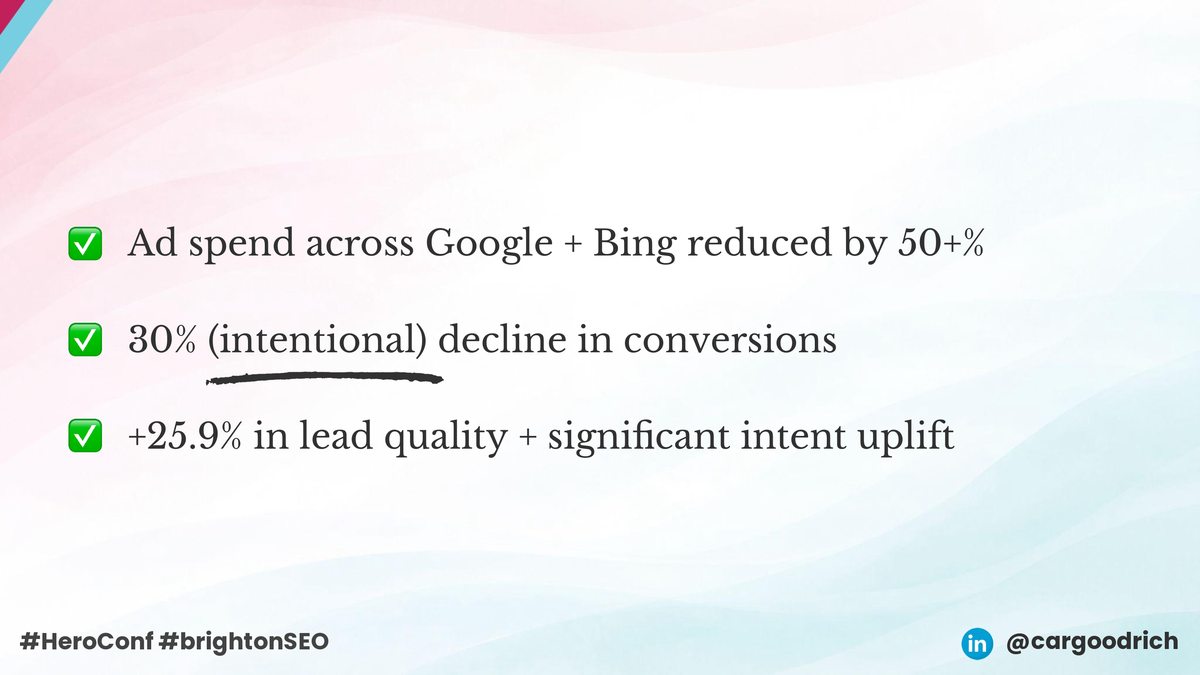
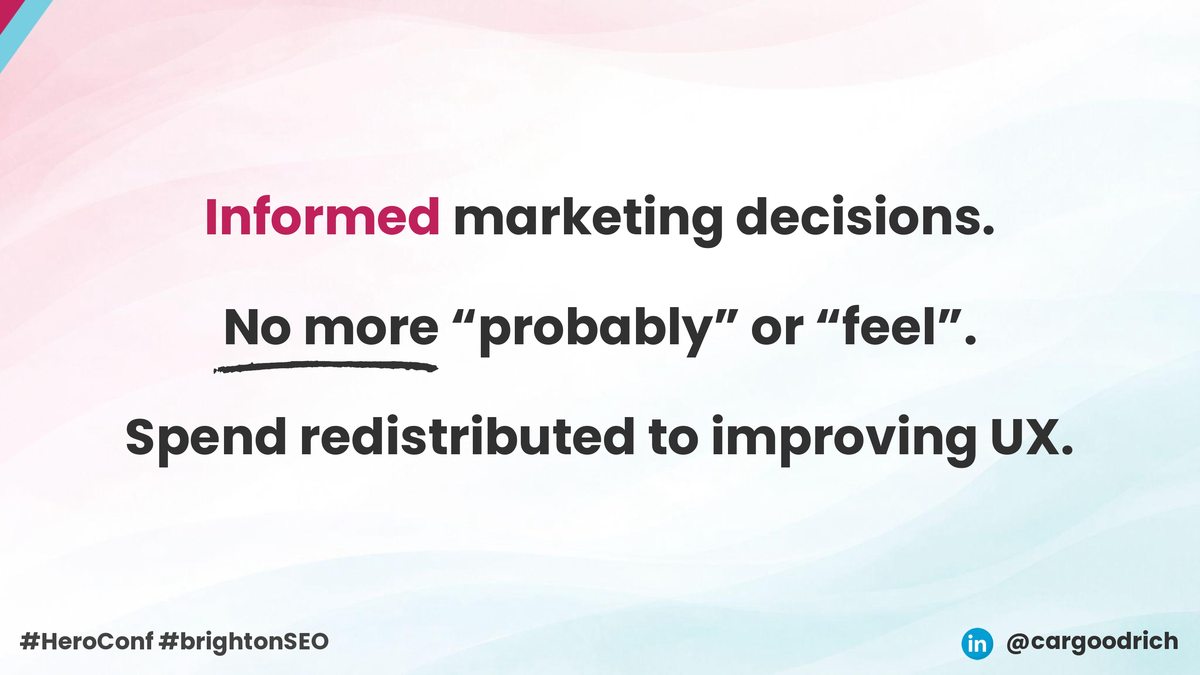
In the Hero Conf case study, ad spend across Google and Bing was reduced by more than 50%, conversions intentionally declined by 30%, and lead quality increased by 25.9%. The important point was not simply that spend fell. It was that the business moved away from “probably” and “feel” towards informed marketing decisions.
For e-commerce teams, the equivalent question is not just “how much revenue did GA4 attribute?” It is “which activity drove profitable, incremental, commercially useful revenue?”
That is why the measurement setup matters. If the signal is weak, the optimisation that follows will be weak too.
What a stronger e-commerce attribution stack looks like
Strong e-commerce attribution is not about replacing one fragile tool with another. It is about reducing dependency on any single system and giving each data source a clear job.
The starting point is usually an audit of the existing setup. GA4, Google Tag Manager, consent tooling, server-side tracking, checkout journeys, payment gateways, campaign tagging and platform integrations all need to be reviewed together. Attribution problems rarely live in one place.
From there, the priority is to remove avoidable fragility before adding complexity. Events, conversions, consent settings, referral exclusions, cross-domain tracking, ecommerce events, campaign tagging and integrations should be reviewed to ensure data flow is as clean as possible. Many GA4 issues are not inherent platform flaws, but configuration debt that has quietly built up over time. GA4’s fragility is structural, but poor configuration amplifies its weaknesses.
Once the foundation is stronger, the attribution stack should be built around comparison rather than blind reliance.
Depending on the business model and measurement maturity, that may include GA4, Google Search Console, Google Ads, Microsoft Ads, Meta, Shopify, Magento, Klaviyo, HubSpot, server-side tracking platforms, specialist attribution tools and profit-focused reporting platforms.
The important point is that each source has a role.
GA4 helps with behavioural analysis. Search Console helps with search visibility. Paid platforms show media spend and platform-reported conversions. Ecommerce platforms show actual orders and revenue. Server-side tracking helps improve the reliability of data collection and platform signals. Profit-focused tools help connect revenue to margin, costs and contribution. CRM systems help distinguish conversion volume from lead quality and commercial outcome.
For Shopify and Magento brands that need clarity on profit, not just revenue, tools such as StoreHero or ProfitMetrics can sit closer to the commercial reality of the business. They help connect orders, costs, margin and return in a way that GA4 is not designed to do on its own.
For brands investing heavily in paid media or operating longer consideration cycles, tools such as Wicked Reports can provide a more resilient view of how channels work together over time. They can help surface first, assisted and final touchpoints that are often harder to interpret in GA4 alone.
Where lead generation is part of the mix, HubSpot or another CRM can play an important role in stitching sales and marketing data together. Without CRM insight, teams often optimise for conversions without knowing whether those conversions became qualified leads, opportunities, revenue or profit.
Reporting should then bring the most important sources together in a way that helps stakeholders make decisions. That often means combining GA4, Google Search Console, Google Ads, Microsoft Ads and ecommerce platform data in Data Studio. The purpose is not to create a prettier version of GA4. It is to give teams a clearer way to compare signals and understand whether a trend is commercial, behavioural or measurement-related.
A useful dashboard should make discrepancies visible. It should help teams see whether revenue, traffic, visibility, spend, conversions and profit are moving together or drifting apart. It should make filtering intuitive, reduce noise and support decisions without forcing people to dig through multiple interfaces.
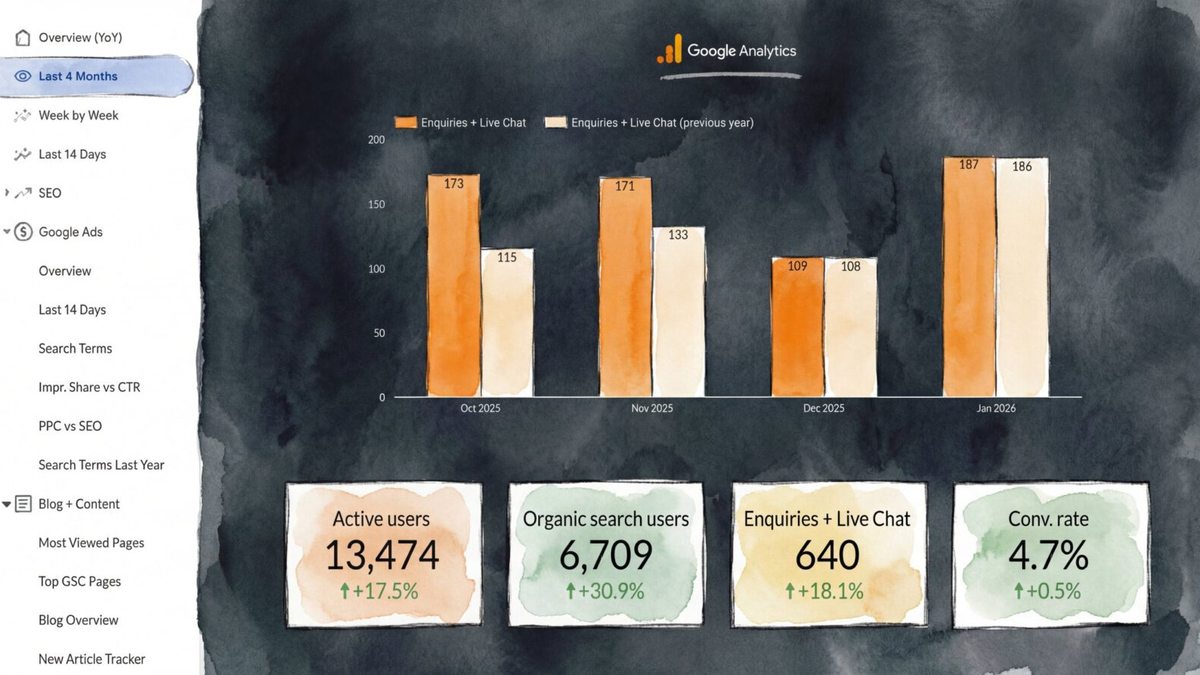
The goal is not perfect attribution. Perfect attribution is rarely realistic.
The goal is decision confidence. A stronger attribution setup should help an e-commerce team understand which channels are creating demand, which are converting demand, which are supporting retention, and which are contributing profitably to growth.
A practical checklist for more resilient attribution
E-commerce teams do not need to fix everything at once. The first step is to decide which commercial decisions GA4 is allowed to support, and which decisions require stronger evidence.
That distinction should come before the dashboard build. GA4 can support many useful decisions, but it should not be responsible for all of them. A landing page UX decision, a funnel improvement or an event tracking check can often sit comfortably inside GA4. A six-figure budget shift, a channel pause or a profit forecast should be validated against stronger commercial evidence.
Once that principle is clear, use this checklist as a practical starting point:
- Check whether GA4 revenue broadly matches your e-commerce platform within an acceptable tolerance.
- Monitor direct and unassigned traffic trends weekly, not just total revenue.
- Audit Consent Mode, cookie banner firing order and GTM triggers after every meaningful site change.
- Test checkout, payment and subscription journeys to make sure referrals and transactions are handled correctly.
- Compare GA4 organic traffic with Google Search Console clicks, impressions and query trends.
- Review paid platform conversion data alongside GA4, not underneath it.
- Separate new customer revenue from returning customer revenue where the data allows.
- Use CRM or order-level data to assess lead quality, repeat purchase behaviour and margin.
- Consider server-side tracking where browser-side tagging is creating avoidable fragility.
- Review whether key conversion events are being passed cleanly to Google Ads, Meta and other platforms.
- Treat attribution discrepancies as diagnostic signals, not reporting annoyances.
- Document which reports are used for which decisions, so GA4 is not quietly treated as the source of truth for everything.
Final perspective
GA4 is not useless. It is just too fragile to carry more responsibility than it was designed for.
For e-commerce teams, the risk is not only inaccurate reporting. The bigger risk is making confident commercial decisions from incomplete attribution data. A channel can look inefficient because consent has stripped out the original touchpoint. Direct traffic can appear stronger because the real journey has been lost. New users can be overstated because returning behaviour is not being recognised properly. Paid media platforms can optimise from weaker signals because key events are not being passed cleanly.
Better measurement does not mean chasing perfect attribution. It means building enough confidence to make better decisions.
That usually means using GA4 as one signal, strengthening the reliability of tracking where possible, validating it against Search Console, paid platform data, CRM insight, order data, margin data and, where appropriate, specialist attribution tools.
Server-side tracking, including Stape-based server-side GTM setups, can play an important role in that stronger foundation. But it should be viewed as one part of a resilient measurement stack, not a shortcut to perfect attribution.
The commercial question is simple: if GA4 changed its story tomorrow, would you still know which channels were driving profitable growth?
If the answer is no, the priority is not another report. It is a more resilient measurement setup.