
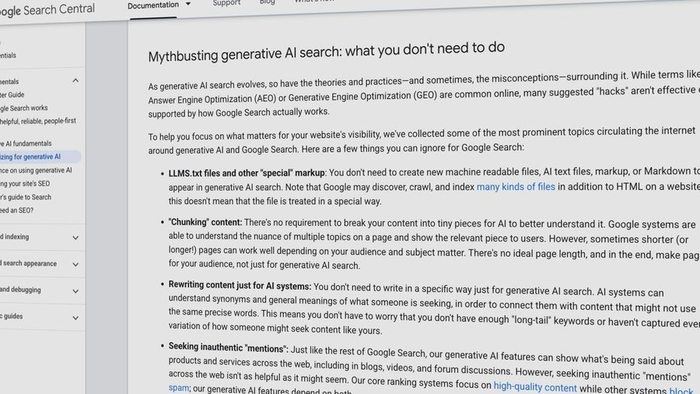
A lot of content on the web is starting to feel interchangeable.
Different brands. Different pages. Similar advice. Similar structure. Similar examples.
That has always been a problem for search, but it’s sharper now, because AI systems are not just ranking pages. They are selecting, summarising and presenting answers. If your content looks and sounds like everything else in the same category, it may still be used, but it’s unlikely to make your business stand out. The same goes for content AI writes with nobody checking it, as I found when I counted how often I correct AI in my own SEO work.
This is where the conversation around AI search often becomes too simplistic.
There is a growing assumption that if a business continues to invest in good SEO, it will naturally stay visible as search evolves.
That’s only part of the picture.
Good SEO is still essential. Clear structure, strong relevance, useful content and technical accessibility all help search systems understand and use your website.
The issue is that structure alone doesn’t make a business distinctive.
If your content is based on the same ideas as everyone else in your category, even if it’s well written and well structured, it remains interchangeable. What stands out is content that reflects something more specific: first-hand experience, original thinking, real examples and evidence that comes from doing the work, not just describing it.
That’s why there’s a difference between being used and being chosen.
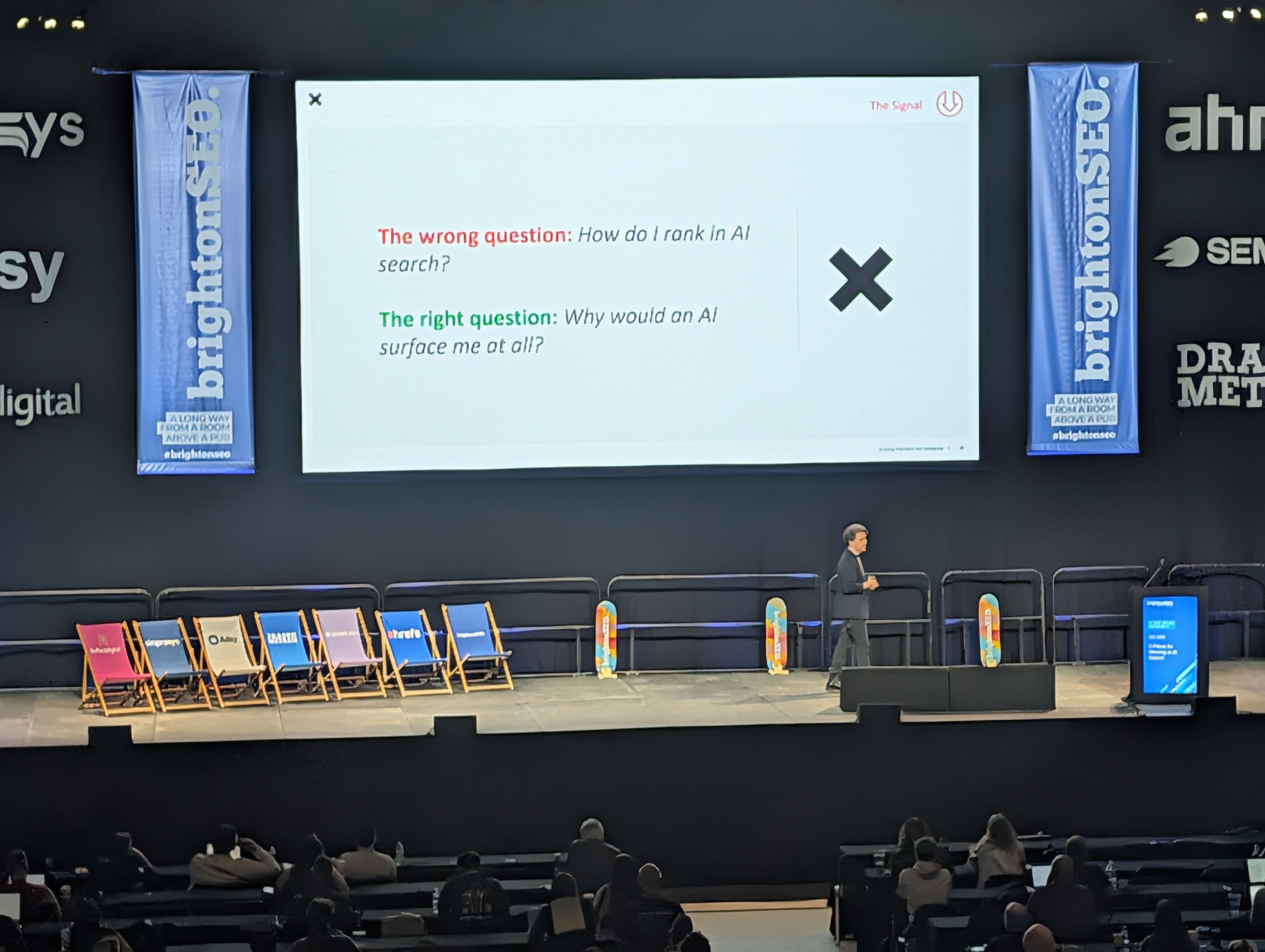
Being used as a source
The first layer is what most SEO activity has always focused on.
Clear site structure. Strong topical relevance. Content that answers a query directly. Pages that are easy to crawl, interpret and extract information from.
This is what makes content usable within AI-generated responses.
When this is working well, your content can inform an answer. It may be summarised, paraphrased or cited as part of a broader response.
But the outcome is limited.
Your content contributes to the answer, but your business isn’t necessarily part of it.
Being worth mentioning
The second layer is where many brands are currently weaker.
This goes beyond how well one page is written. It’s about how the business itself is understood.
Where it appears beyond its own website. What it’s associated with. How it’s described. Whether it’s consistently linked to a specific problem, solution, audience or category.
For example, a consultancy that appears in third-party roundups, sector reports, partner content, client case studies, event pages and industry commentary is easier for search systems to understand than one that only has its own website to draw from.
This isn’t about chasing mentions for the sake of it. The wider picture around the business is part of the story. If the only place your expertise, positioning and proof appear is on your own site, search systems have a much narrower view of who you are and where you fit.
This is what influences whether a brand is:
- mentioned in AI-generated responses
- included in comparisons
- recognised as a credible option
This is bigger than page-level optimisation. It comes down to positioning, authority and presence.
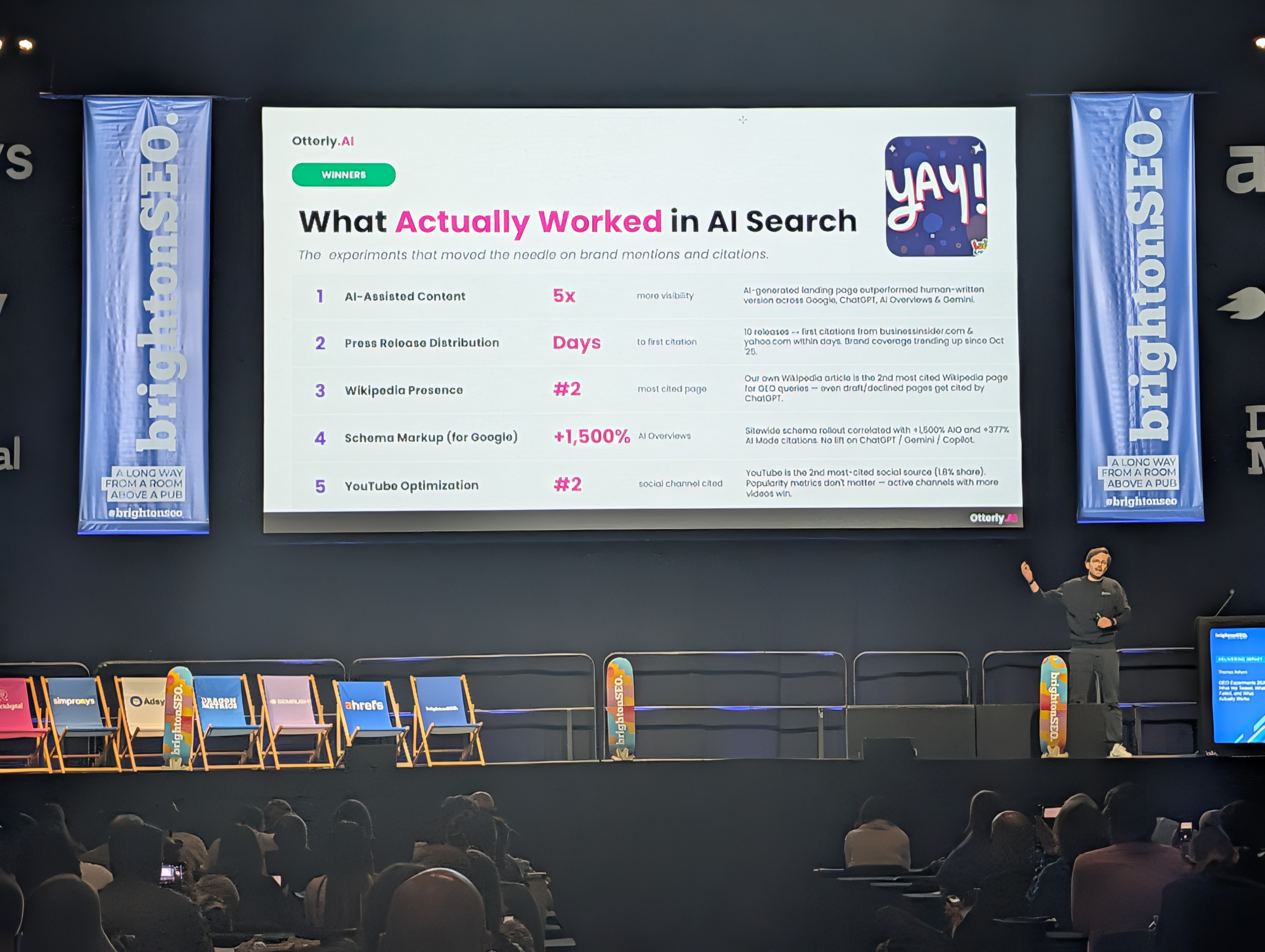
The commercial gap
This distinction has a direct impact on performance.
If your strategy is built only around being usable as a source, you may contribute to visibility, support discovery and influence awareness.
But if your strategy also helps the business become worth mentioning, you move closer to consideration. You shape preference. You give prospective customers more reasons to trust you before they ever land on the website.
That’s the difference between traffic and pipeline.
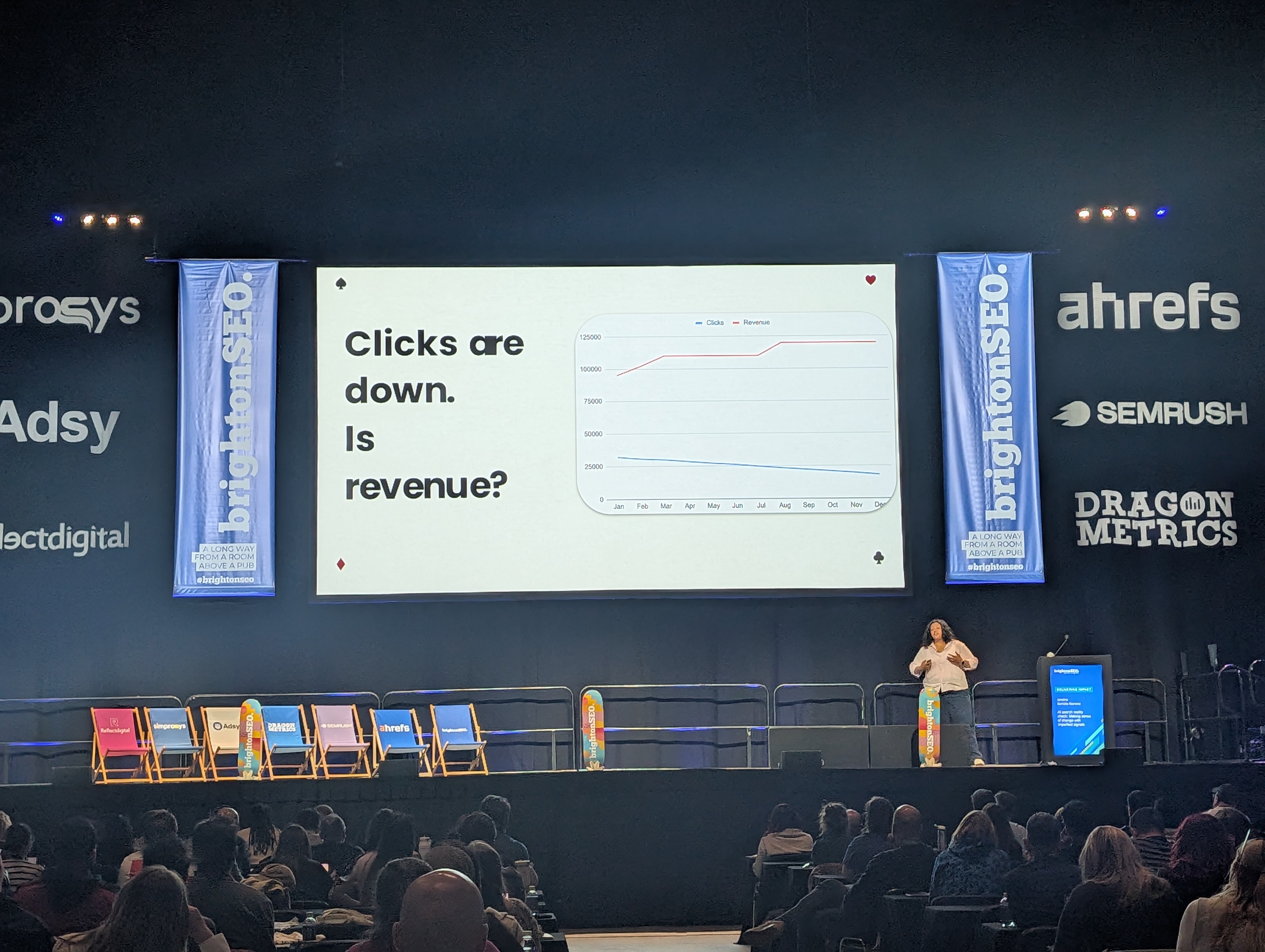
It’s also why some businesses can appear strong in traditional search metrics but still feel underrepresented in the places where decisions are now being influenced.
They are visible, but not yet part of the answer.
What this means in practice
For most businesses, the answer isn’t to abandon SEO or chase a new discipline. It’s to widen what search activity is expected to influence.
Ranking for keywords, increasing traffic and improving technical performance still matter, but they are no longer enough on their own. Search activity also needs to help shape how the business is understood, where it fits, and why it should be trusted.
That includes how content is written, how case studies are presented, how the business is referenced externally, and how clearly it is associated with specific commercial problems.
The question is no longer only whether a page can rank.
It’s whether the business gives both search systems and potential customers enough reason to include it in the decision.
That’s the real risk for brands that rely on SEO alone. They may still be visible, but visibility doesn’t mean they’re being considered.